Free Support


There is a reason old trophies often stay inside cabinets for years. Certificates remain inside drawers. Plaques move from office to office during relocations. Objectively speaking, many awards are simple objects. Metal. Glass. Wood. Plastic. Yet people keep them. Not because of materials. Because they remember what happened when they received them. Recognition tends to stay attached to emotions longer than people expect. That is probably why people remember winning moments long after forgetting ordinary workdays.
Very few people walk into workplaces saying they want appreciation. Students rarely announce they want acknowledgment. Athletes rarely say they want people watching. Still, something changes when effort goes unnoticed repeatedly. Energy shifts. Excitement drops. People stop putting extra effort into things that feel invisible. This does not happen because people suddenly become lazy. It happens because humans naturally respond when effort feels meaningful. Recognition simply reminds people that effort reached someone.
Imagine entering two workplaces. In one place, only final results receive attention. In another, teamwork, consistency, creativity, effort, and milestones receive attention too. People behave differently inside these environments. Not because someone handed them instruction manuals. Because humans naturally observe what receives positive attention. Over time these repeated signals create habits. Eventually habits create culture. Many organizations underestimate how strongly recognition shapes behavior because the change happens slowly.
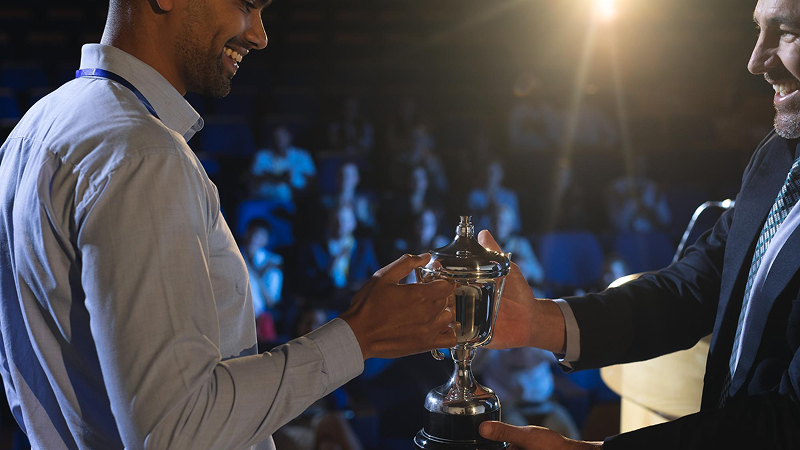
People usually focus only on recipients. Recognition affects observers too. Watching teammates receive awards changes behavior. Watching coworkers get appreciated changes expectations. People begin imagining themselves achieving similar outcomes. This creates something powerful. Recognition spreads motivation beyond the individual receiving it. One celebration often influences far more people than expected.
Ask someone about an award from years ago. They rarely start describing materials. Instead they remember who presented it. Who attended. Whether family members were present. What happened afterward. Recognition works because objects become attached to moments. Without the moment, the object means little. With the moment, the object becomes a reminder people keep for years.
People often imagine culture as something created during meetings. Or through mission statements. Most culture develops differently. Repeated actions. Repeated habits. Repeated signals. Recognition becomes part of culture because it repeatedly answers one important question. "What matters here?" Organizations answer that question continuously whether they realize it or not. Recognition simply makes the answer visible.
This may explain why recognition continues existing everywhere. Businesses still use it. Schools still use it. Teams still use it. Communities still use it. Because trophies were never only trophies. Certificates were never only paper. Awards survive because people want effort to feel visible. When recognition happens consistently, culture changes quietly around it. Contact us.