Free Support


What they remember is usually random. Someone remembers dropping their certificate while walking back. Someone remembers searching for family members in the crowd afterward. Someone remembers holding a trophy during the car ride home. Memory works strangely. People often forget speeches. Forget schedules. Forget exact dates. Yet certain awards stay stored away for years because the object accidentally became attached to a specific moment. That connection is probably why people struggle throwing awards away even decades later.
Take an award and remove the story. Now it becomes much less interesting. A plaque without names. A trophy without purpose. A certificate without achievement. Most people would not care much about these things. Recognition works because context gives ordinary objects meaning. The object itself rarely creates emotional value. The story does. That is why two awards made from identical materials can feel completely different to two different people.
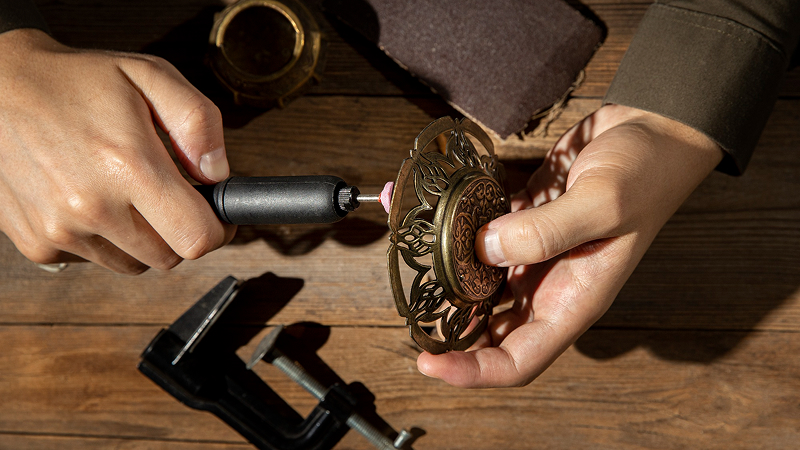
There is something strange about seeing personal information engraved onto something. A name. A date. A team name. A message. Suddenly something ordinary starts feeling permanent. This reaction happens because personalization creates ownership immediately. People stop viewing recognition as an award. They start viewing it as their award. That small shift changes emotional attachment significantly.
Look around offices, homes, classrooms, sports facilities, or workplaces. Awards often remain visible. Not because people constantly want reminders of success. Sometimes because those objects quietly remind people of periods of life. School years. First jobs. Championships. Team experiences. Community events. The physical object stays while life changes around it. Recognition becomes memory storage in a strange way.
Think about how often students receive certificates. Sports awards. Academic recognition. Participation awards. People debate these systems constantly. Still, many adults keep these items for years. Why? Because students rarely receive only paper. They receive moments. Family members attend ceremonies. Photographs get taken. People celebrate afterward. The certificate simply becomes proof the moment happened.
For a long time many organizations assumed compensation handled motivation. Salary matters. Benefits matter too. Something else matters. People want visible appreciation. Employees often remember recognition moments because workplaces can otherwise become repetitive. Meetings blur together. Projects blur together. Recognition interrupts routine briefly. That interruption matters because it signals effort was noticed.
People sometimes assume awards exist to celebrate achievement. That is true. But perhaps incomplete. Recognition also creates stories. Creates memories. Creates moments people revisit years later unexpectedly. The trophy itself may collect dust. The engraving may fade slightly. What people usually keep is everything attached to it. That may be why personalized recognition continues mattering. Because people rarely keep objects. They keep meaning.
Many purchases lose emotional value quickly. Awards sometimes do the opposite. Years later people discover old trophies while cleaning. Open storage boxes and unexpectedly stop for a moment. Recognition ages differently because memories become attached more strongly over time. Personalization helps this happen. Names trigger memory. Dates trigger memory. Messages trigger memory. Specific details survive longer. Contact Us.
Sometimes it is an old sports medal sitting inside a drawer. Sometimes it is a plaque from a first job. Sometimes it is a certificate folded inside a box that has moved houses three times already. Objectively speaking, many awards are not particularly useful. They do not solve problems. They do not save space. Yet people keep them anyway. The interesting question is why.
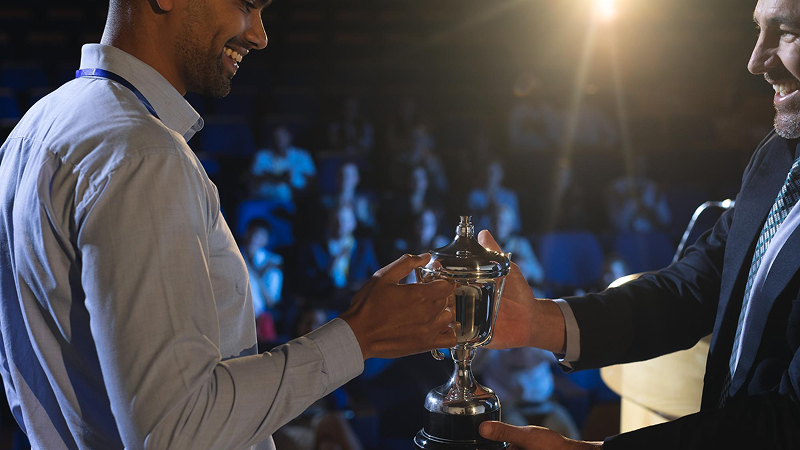
When people receive awards, emotions usually focus on the event itself. The applause. The photographs. The people nearby. Years later something different happens. A person cleaning storage unexpectedly finds an old trophy. Someone discovers certificates while moving. A plaque appears while reorganizing shelves. Suddenly memories return much faster than expected. What felt ordinary years earlier now feels connected with entire periods of life. Recognition often becomes more emotional with time rather than less.
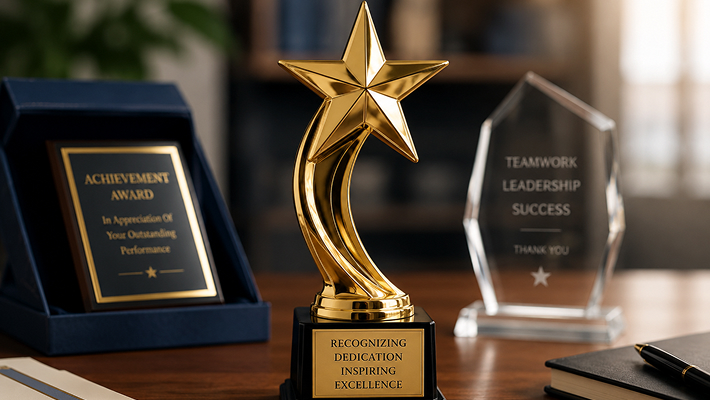
Very few people proudly say they kept a trophy because they enjoy acrylic. Or metal. Or wood. Without context, many awards become ordinary objects quickly. The meaning comes from somewhere else. A small trophy might represent five difficult seasons. A certificate might represent years of studying. An engraved plaque might represent the first time somebody felt genuinely recognized at work. People usually keep stories. Objects simply help store them.
Imagine receiving recognition with only a title. Now imagine receiving recognition with your name, achievement, date, team, or message attached. The emotional difference appears immediately. People stop viewing recognition as something generic. They start viewing it as something connected specifically to them. This connection matters because humans naturally protect things connected with identity.
There is something strange about seeing your own name attached to achievement. Names make moments feel official. Permanent. Documented. Without names, recognition feels broader. With names, it feels personal. That distinction changes emotional attachment significantly.
Ask somebody about meaningful recognition. Listen carefully. Very few begin by discussing materials or design. They say things like: "That was during our championship season." Stories arrive first because memories attach themselves to experiences rather than objects. Awards simply trigger those experiences repeatedly.
Many achievements appear individual. The experience rarely feels individual. Parents attend ceremonies. Friends celebrate afterward. Coworkers congratulate each other. Teams share victories. Years later people frequently remember who stood beside them more clearly than what they received. Recognition spreads emotionally beyond recipients. That shared experience creates stronger memories.
Interestingly, some meaningful awards are not particularly expensive. Some become scratched. Some lose shine. Some are stored carelessly. None of this automatically reduces importance. People still protect them. This says something interesting. Value and emotional attachment do not always move together. Sometimes imperfect objects survive precisely because people connected them with important moments. Contact Us